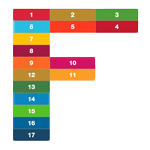
In an increasingly interconnected yet fractured world, the challenges we face – from climate change and poverty to inequality and conflict – are too vast and complex for any single nation to tackle alone. Recognizing this, the United Nations launched a monumental initiative in 2015: the Sustainable Development Goals (SDGs). Often referred to as “The World’s To-Do List,” these 17 interconnected goals provide a universal blueprint for peace and prosperity for people and the planet, now and into the future.
The SDGs are not just abstract ideals; they are a call to action for all countries, rich and poor, to collaborate and innovate. They build upon the success of the Millennium Development Goals (MDGs), but go further, addressing the root causes of poverty and the universal need for development that works for everyone. From eradicating hunger and ensuring quality education to promoting clean energy and fostering sustainable cities, each goal is meticulously designed with specific targets to be achieved by 2030.
Take, for instance, SDG 1, “No Poverty.” This isn’t just about charity; it’s about building resilient communities, creating decent work opportunities, and establishing social protection systems that lift people out of destitution permanently. Similarly, SDG 13, “Climate Action,” emphasizes not only reducing emissions but also building resilience to climate-related hazards and integrating climate measures into national policies. The interconnectedness is key: achieving gender equality (SDG 5) empowers women, which in turn can lead to better health outcomes (SDG 3), improved education (SDG 4), and more sustainable economic growth (SDG 8).
The beauty of the SDGs lies in their holistic approach. They acknowledge that social progress, economic development, and environmental protection are not separate endeavors but rather three pillars of sustainable living. You cannot have thriving economies without healthy ecosystems, nor can you achieve true social equity in a world plagued by environmental degradation. This integrated perspective encourages governments, civil society, the private sector, and individuals to think systemically and develop solutions that address multiple challenges simultaneously.
While the 2030 deadline looms, significant progress has been made in various areas, demonstrating the power of collective action. However, formidable challenges remain, exacerbated by global crises like the COVID-19 pandemic, geopolitical tensions, and ongoing climate emergencies. These setbacks underscore the urgent need to accelerate efforts, rethink strategies, and foster stronger partnerships.
The SDGs are more than just a set of targets; they represent a shared vision for a more just, equitable, and sustainable world. They provide a common language and a framework for measuring progress, holding ourselves accountable, and inspiring innovation. As we navigate the complexities of the 21st century, the Sustainable Development Goals serve as our compass, guiding us towards a future where no one is left behind and where humanity can truly thrive in harmony with our planet. It’s a monumental task, but with sustained commitment and collaboration, achieving “The World’s To-Do List” is not just an aspiration, but a critical necessity for generations to come.